Pilot career outlook
The Future Needs Pilots Who Start Training Now
The pilot shortage is a long-term mix of retirements, fleet growth, rising travel demand, and new technology that still depends on trained human judgment in the cockpit
Why this moment matters
Pilot Demand is Measured in Decades, Not Months
Multiple aviation forecasts point in the same direction: the industry needs a steady flow of trained pilots to replace retiring crews and support a larger, busier fleet.
2044
long-range fleet and staffing horizon
10-20 yrs
forecast windows used by major sources
Demand Snapshot
A visual scale of the major pilot-demand forecasts
Boeing global pilot demand
New commercial pilots needed by 2044
660,000
Airbus global pilot demand
New pilots needed by 2044
633,000
CAE 10-year pilot demand
new commercial aviation pilots needed by 2034
267,000
U.S. annual openings
average openings per year, 2024-2034
18,200
The exact numbers vary by source and forecast window, but the pattern is consistent: aviation needs new pilots at scale. For future students, the practical question is not whether demand exists. It is how soon you can start building skill, hours, and credentials.
Market overview
Is the Pilot Shortage Real?
Yes, but it is best understood as a training and experience pipeline challenge, not a guarantee that every new student will walk straight into an airline cockpit. Multiple industry forecasts show a great demand for new pilots in the coming years.
In the United States, the Bureau of Labor Statistics projects 18,200 average annual openings for airline and commercial pilots from 2024 to 2034. Many of those openings are expected to come from replacement needs, including retirements and workers leaving the occupation.
For someone considering flight training, the takeaway is practical: the opportunity is real, but the advantage goes to people who start early, train consistently, build experience, and choose a school that helps them understand each step from first lesson to commercial qualifications.
What is changing
The Future Pilot Career Will Reward Adaptable Professionals
Retirements are still reshaping the cockpit
The pilot pipeline is not only about new airline routes. A large part of hiring demand comes from replacing experienced pilots as they retire, move out of airline flying, or transition into different aviation roles.
Air travel keeps expanding
Boeing and Airbus both forecast long-term commercial fleet growth, with Airbus projecting the global fleet to expand to more than 49,000 aircraft by 2044. More aircraft and more utilization require more trained crews.
Technology changes the job, not the need for judgment
Automation, connected aircraft, and data-driven operations are becoming more important. The future pilot will need strong procedures, systems thinking, crew communication, and decision-making under pressure.
Not Sure If You Are Too Early, Too Late, or Ready?
Take our quiz and see if pilot training is right for you. We'll look at your learning styles and your preferences and get back to you with the next steps.
Career switchers welcome
You do Not Need to Have Grown up in Aviation to Become a Pilot
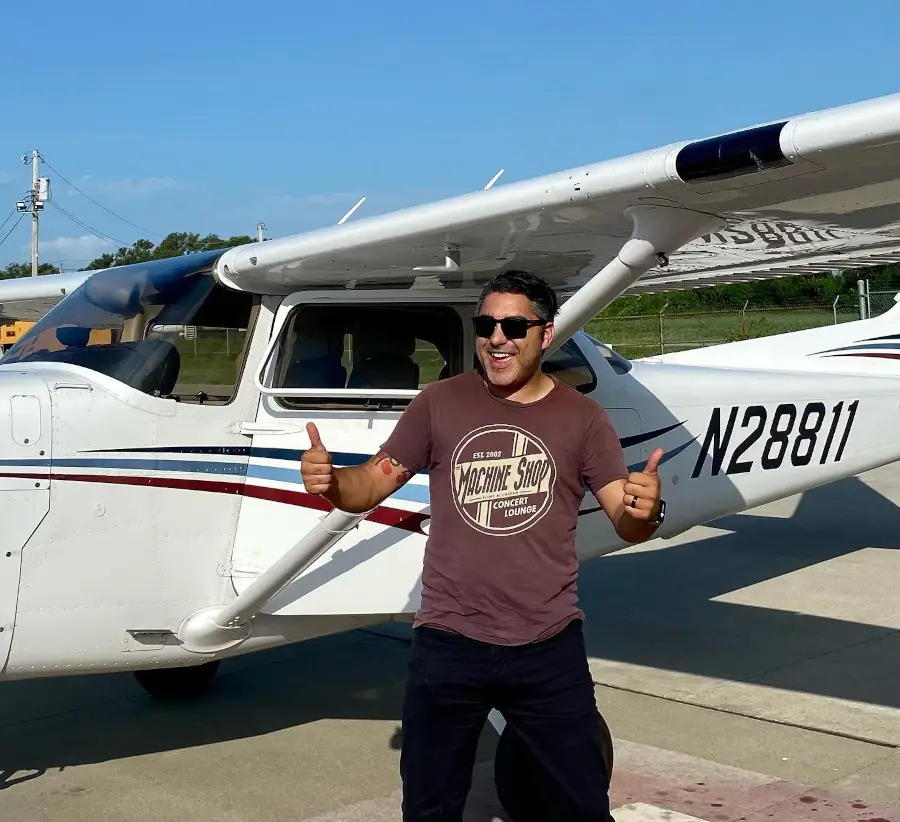
Many future pilots begin as professionals in other fields who want a more active, skill-based career. The first move is not quitting your job. It is learning what training actually requires and building a realistic plan.
- If You Are Exploring
Take a discovery flight and ask about medical requirements before investing heavily. - If You Are Serious
Map the certificate sequence, expected weekly training pace, and financing or scholarship options. - If You Are Transitioning Careers
Plan around your current work schedule and build momentum before making major life changes.
Your path forward
From First Flight to Professional Pilot Training
See If Flying Fits Your Life
Start with a discovery flight or a training consultation. The goal is to understand the schedule, medical requirements, cost range, and the kind of flying that motivates you.
Book a Discovery FlightEarn the Private Pilot Certificate
Private pilot training builds the foundation: aircraft control, navigation, weather judgment, radio communication, and safe decision-making.
Explore Private PilotAdd Instrument and Commercial Skills
Career-minded pilots typically continue into instrument, commercial, multi-engine, and often CFI training to build proficiency and flight time.
Compare ProgramsBuild Experience Toward the Next Cockpit
Many pilots instruct, fly charter, support aerial operations, or take other commercial flying roles while building the experience required for airline and advanced aviation careers.
Talk With an AdvisorStart with clarity
The Best Time to Investigate a Pilot Career
is Before the Next Hiring Wave Reaches You
We can help you understand the training sequence, what to expect in your first lessons, and which Ideal Aviation programs fit your goals.
Sources and Context