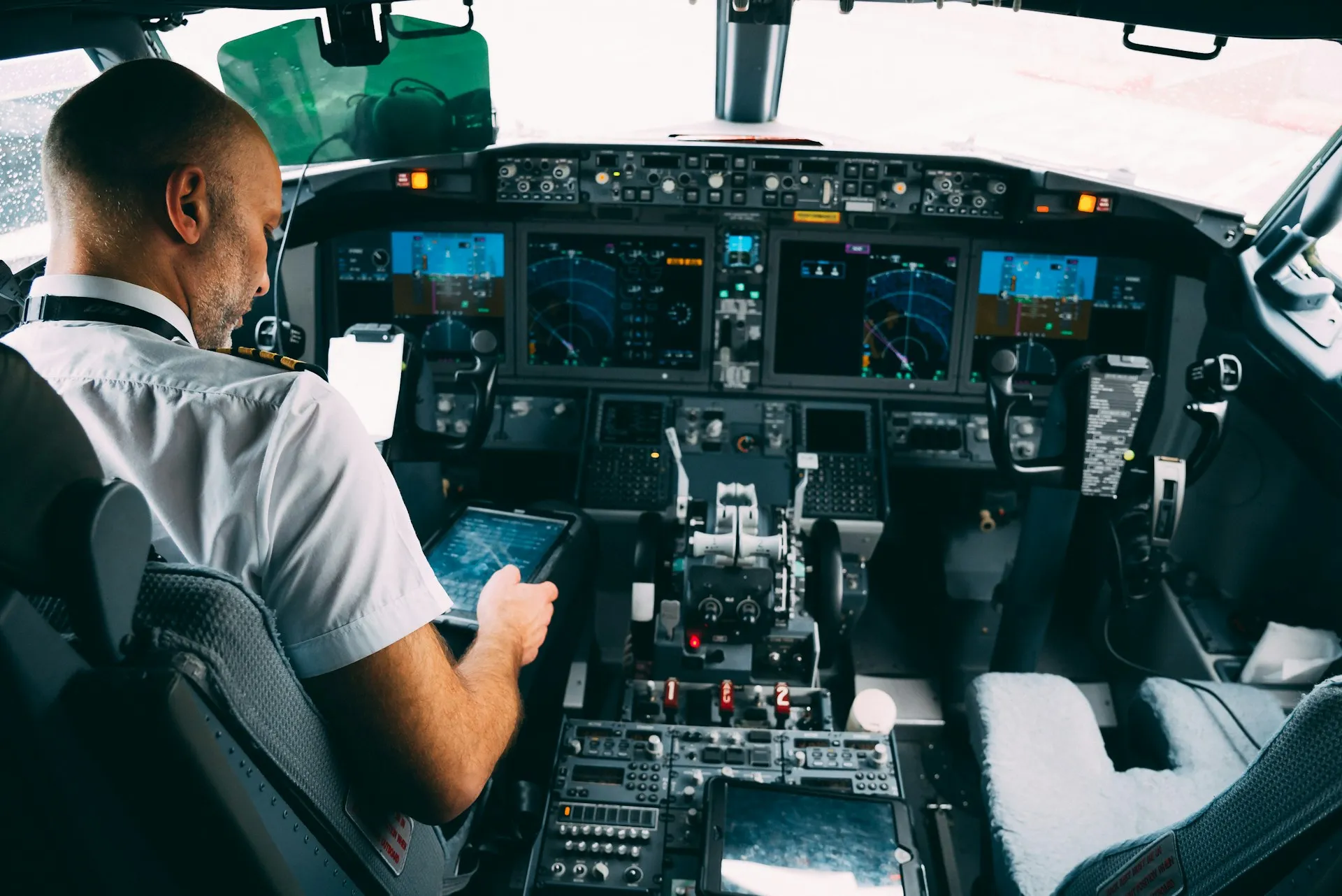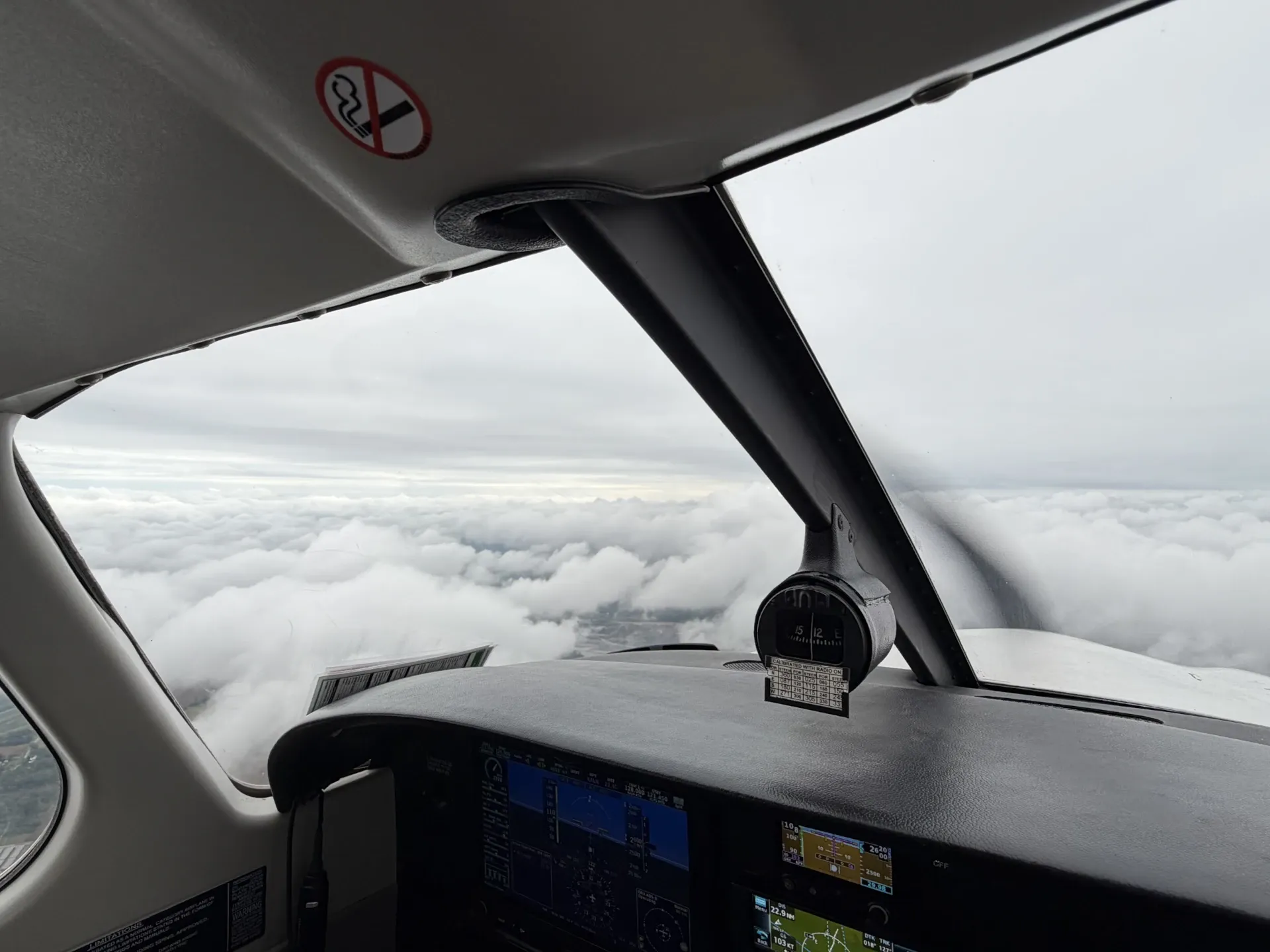
Pilot Salary in 2026: How Much Do Pilots Get Paid?
If you are wondering about the pilot salary in 2026, you are probably asking a bigger question: is this career worth the training, the checkrides, the schedule, and the years of building experience?
The short answer is that professional flying can become a strong career, but pilot pay depends heavily on the kind of flying you do. The latest U.S. BLS (Bureau of Labor Statistics) data in the Occupational Outlook Handbook reports a May 2024 median annual wage of $226,600 for airline pilots, copilots, and flight engineers and $122,670 for commercial pilots. Those numbers are useful, but they are not starting salaries for every new pilot.
At Ideal Aviation, we help students in the St. Louis area understand the full path: your first lesson, your Private Pilot Certificate, your Instrument Rating, your Commercial Pilot Certificate, and the advanced training that may support a long-term pilot career.
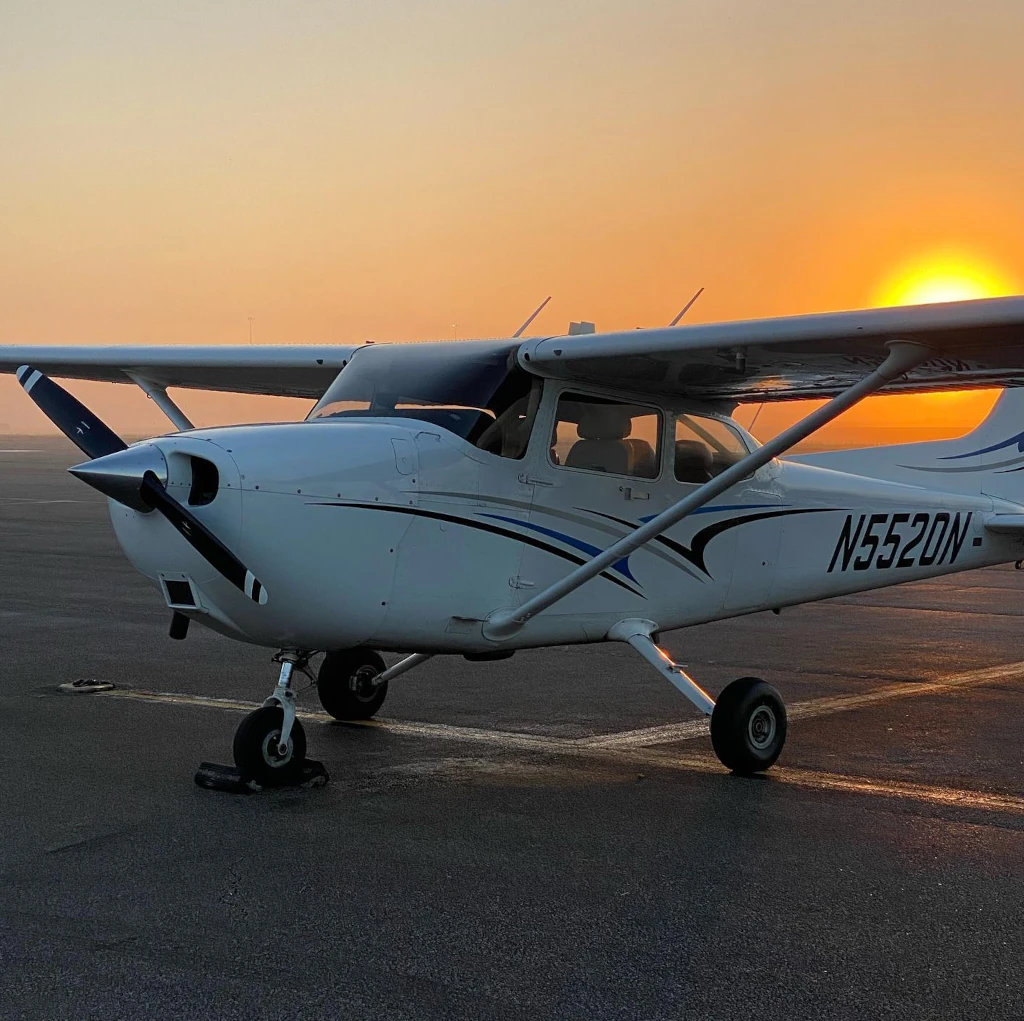
Source: Ideal Aviation media archive
The 2026 Pilot Salary Numbers Need A Little Translation
When people search “how much do pilots get paid,” they often picture an airline captain. BLS separates pilot pay into different occupation groups, and that distinction matters.
| Pilot category | Latest BLS median wage | What it generally includes |
|---|---|---|
| Airline pilots, copilots, and flight engineers | $226,600 | Regional, national, international, cargo, and scheduled airline-style operations |
| Commercial pilots | $122,670 | Paid flying outside the airline category, including charter, air ambulance, tours, instruction-related paths, utility work, and other commercial operations |
Those medians come from May 2024 BLS data, which is still the most stable public wage benchmark for a 2026 planning conversation. Actual pay can vary with seniority, aircraft, employer, schedule, region, union contract, route structure, and type of operation. If you are still deciding where to begin, our Private Pilot program is the first structured step toward the later ratings that make paid flying possible.
That is why a pilot career should not be judged only by one big number. A new commercial pilot building experience, a flight instructor, a charter pilot, a helicopter pilot, a regional airline first officer, and a senior major-airline captain may all live in very different pay worlds.
Airline Pilot Pay Is Usually A Seniority Story
Airline pilot careers are strongly shaped by experience and seniority. BLS notes that airline pilots typically need commercial or military pilot experience before airline work, and that flight assignments are based on seniority.
That matters for your planning. A pilot career often looks less like a single salary and more like a ladder:
- Early training
You earn certificates and ratings, usually without being paid to fly yet. - Commercial pilot stage
You become legally eligible to be paid for certain flying jobs, depending on the operation and your qualifications. - Experience-building stage
Many pilots instruct, fly charter, tow banners, fly tours, work in aerial survey, or build time through other legal commercial roles. - Airline or advanced commercial stage
Pay can rise as you move into more complex aircraft, larger operations, captain seats, and higher-seniority schedules.
If your goal is the airlines, your Commercial Pilot training is an important milestone, but it is not the final airline credential. Airline paths include additional experience, medical requirements, company hiring standards, and eventually airline transport-level requirements.
Commercial Pilot Pay Covers More Than One Career
The phrase “commercial pilot” can be confusing because it does not mean only airline pilot. In FAA and career-path terms, a Commercial Pilot Certificate is the point where a pilot can be paid for certain types of flying. In labor-market terms, BLS uses “commercial pilots” for many non-airline paid flying roles.
That can include work such as:
- Charter and business aviation
- Flight instruction
- Air tours and sightseeing
- Aerial survey or mapping
- Air ambulance and public-service flying
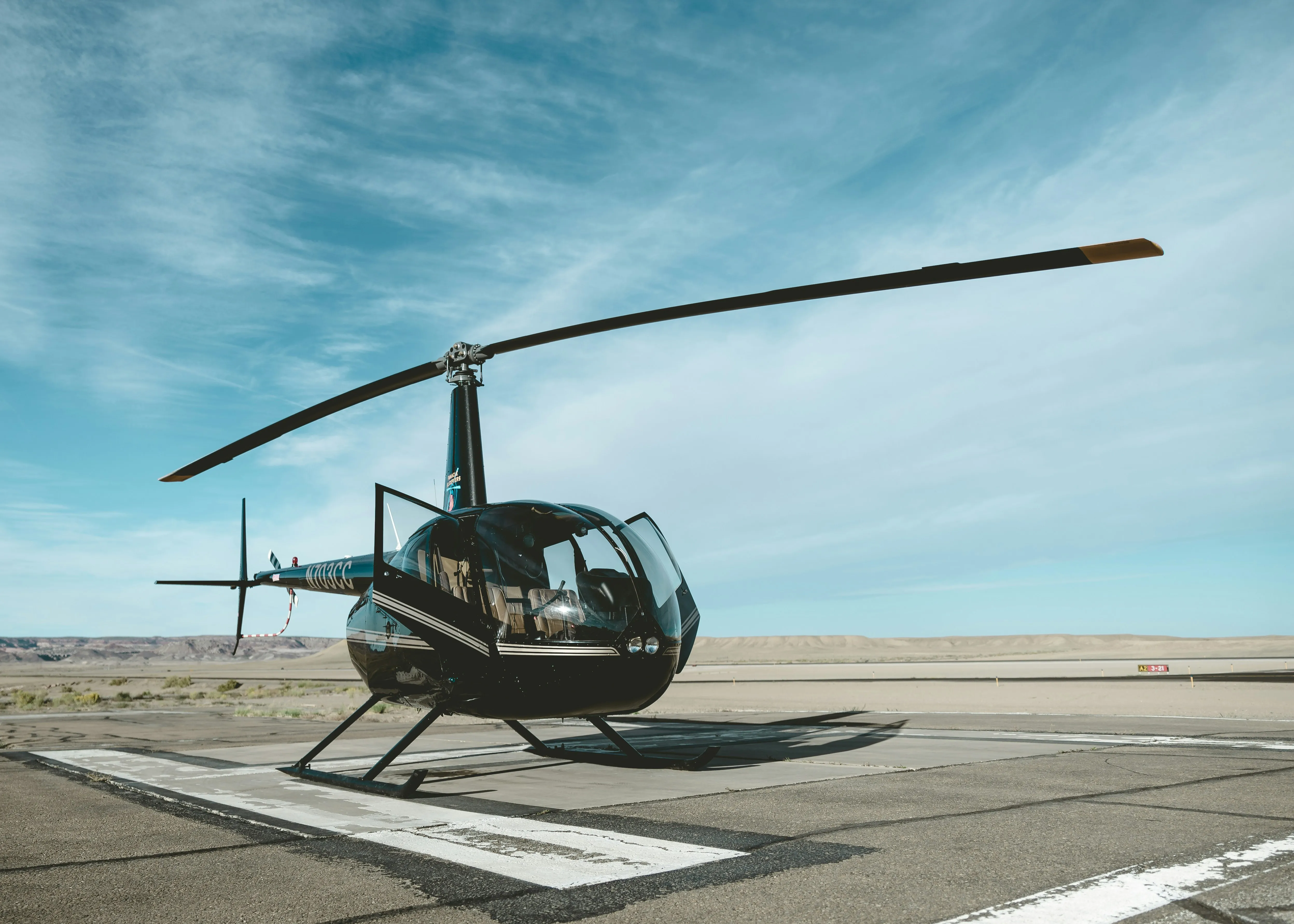
- Helicopter operations
- Agricultural, utility, or specialty flying
For students who want to keep building toward a professional cockpit, the path often continues through Certified Flight Instructor training, Multi-Engine Rating training, and more advanced operational experience.
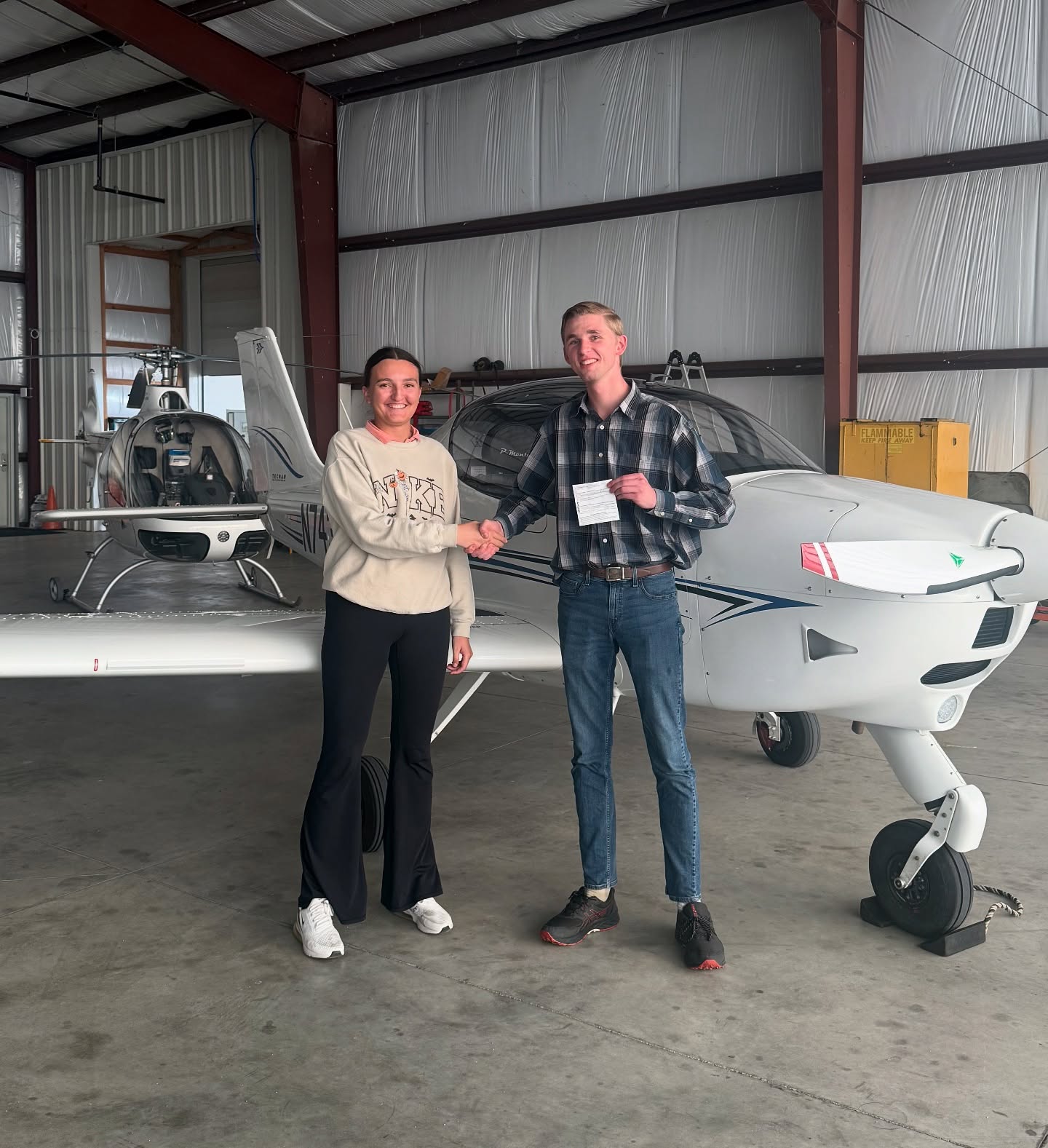
Source: Ideal Aviation media archive
What Actually Changes A Pilot’s Pay?
Pilot salary is not just about having a certificate. Two pilots with the same certificate can earn very different incomes because the job itself is different.
The biggest pay drivers usually include:
- Type of operation
Airline, cargo, charter, instruction, helicopter, corporate, medical, tour, and utility flying all have different pay structures. - Aircraft and equipment
Larger, faster, multi-engine, turbine, or crewed aircraft often come with different qualification expectations. - Seniority
Airline pilots especially tend to move through pay scales based on time at the company, seat, and aircraft. - Schedule and lifestyle
Some jobs pay more because they ask more from your nights, weekends, holidays, travel, or time away from home. - Location and employer
Regional demand, company size, union contracts, and local cost of living can all affect compensation. - Training depth
Instrument proficiency, multi-engine experience, instructor experience, and strong cockpit decision-making can shape the opportunities you are ready to pursue.
This is one reason we encourage career-minded students to think beyond the first certificate. A smart training plan connects your first flight to the kind of flying you eventually want to do, whether that means instrument proficiency through our Instrument Rating program or more complex aircraft work later in training.
Is There Still Pilot Demand In 2026?
There is demand, but it should be understood carefully. The BLS Occupational Outlook Handbook projects 4% employment growth for airline and commercial pilots from 2024 to 2034, with about 18,200 openings per year on average. Many of those openings are expected to come from pilots retiring or leaving the occupation.
Boeing’s 2025 Pilot and Technician Outlook also forecasts a need for 119,000 new pilots in North America from 2025 to 2044. That is encouraging industry context, especially for students thinking long term.
Still, demand is not a personal job guarantee. Hiring can move in cycles, and airlines or operators may change hiring pace based on aircraft deliveries, economics, retirements, training capacity, and business needs. The best response is to build a strong foundation: fly consistently, train seriously, protect your medical eligibility, and keep adding the ratings and experience your target path requires.
Why Become A Pilot If The Path Takes Time?
Because the right kind of person is not only chasing a number. Pay matters, of course. Training is a real investment. But most future pilots are also drawn to the work itself: weather decisions, navigation, radios, aircraft systems, crew coordination, and the feeling of earning responsibility one flight at a time.
The cockpit rewards people who like learning under pressure. It asks you to prepare, brief, check, re-check, adapt, and stay calm when the plan changes. For many students, that is exactly why aviation feels different from a desk career.
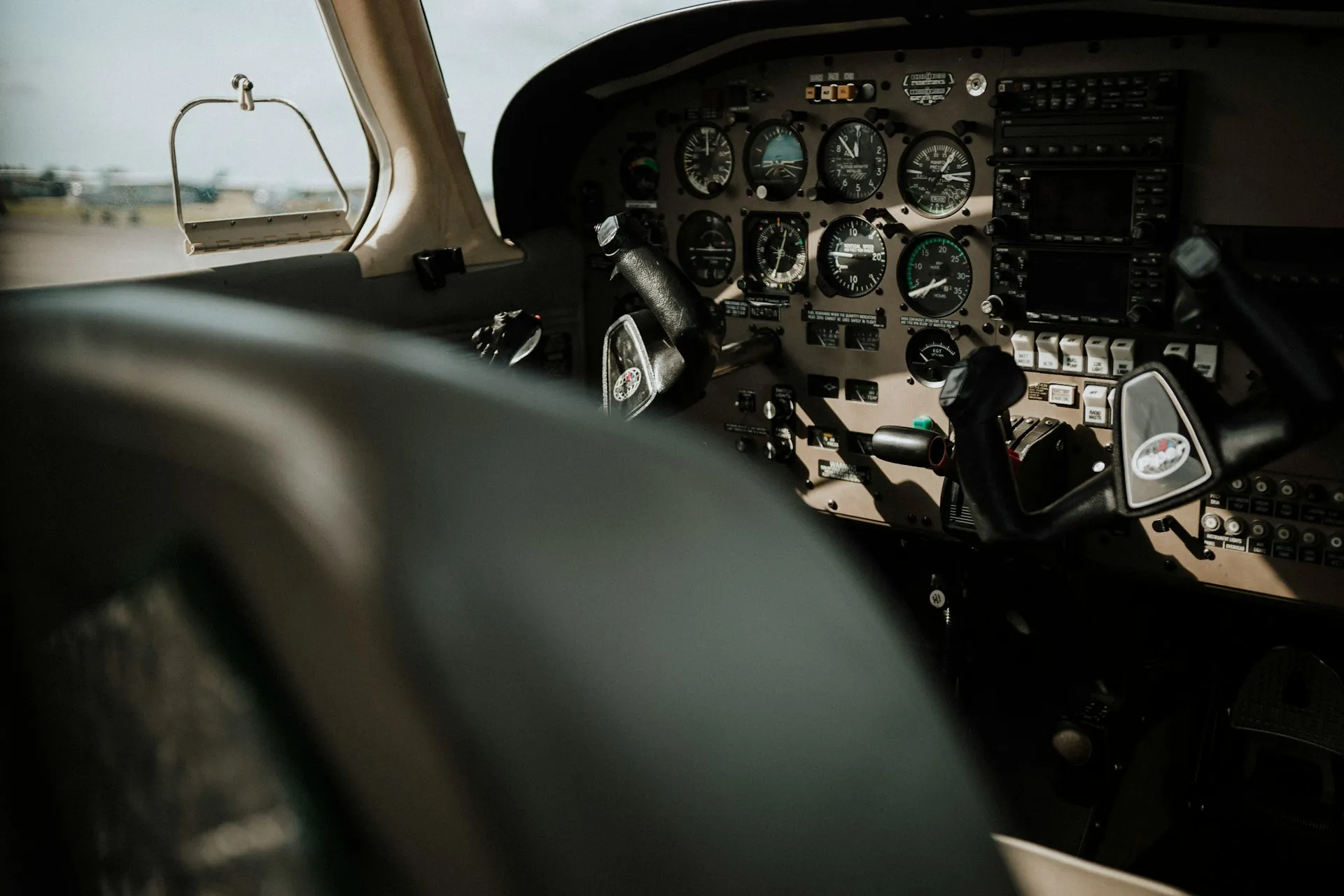
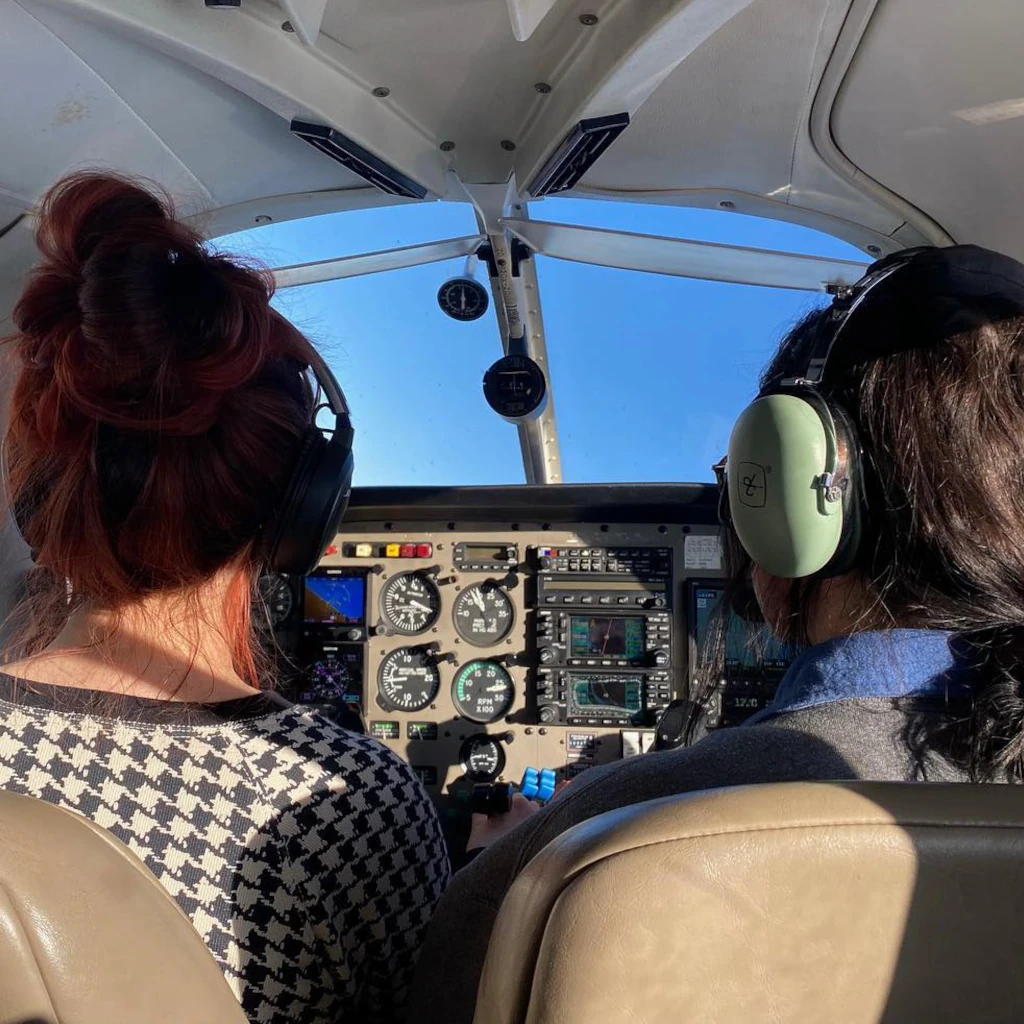
At Ideal Aviation, that first spark usually starts much smaller than an airline paycheck. It starts when you sit in the aircraft, hear the engine come alive, taxi out at St. Louis Downtown Airport, and realize this is a skill you can actually learn. A Discovery Flight gives you that first real cockpit moment before you choose a full training path.
Source: Ideal Aviation media archive
How Training Connects To A Pilot Career
For most career-minded airplane students, the path looks something like this:
| Stage | Why it matters | More information |
|---|---|---|
| Discovery Flight | Helps you decide whether flying feels right before committing to training | Discovery Flight |
| Private Pilot Certificate | Builds the foundation for aircraft control, navigation, weather, and flight planning | Private Pilot |
| Instrument Rating | Adds precision, weather decision-making, and instrument procedures | Instrument Rating |
| Commercial Pilot Certificate | Opens the door to being paid for eligible flying work | Commercial Pilot |
| Certified Flight Instructor | Helps many pilots teach, deepen knowledge, and build experience | Certified Flight Instructor |
| Multi-Engine Rating | Prepares pilots for twin-engine aircraft and more advanced opportunities | Multi-Engine Rating |
Some students also pursue helicopter training, and we offer a Helicopter Pilot Training path for rotor-wing goals. If you want college credit connected to flight training, our SWIC partnership may also help you combine aviation training with an academic program. Financing and aid options can vary by student and program, so it is worth talking with our team early if cost planning is part of your decision.
A Better Question Than “What Do Pilots Make?”
“What do pilots make?” is a fair question. A better version is: what kind of pilot do you want to become, and what training path gives you the strongest next step?
If you want to fly for fun, the salary conversation may not matter much. If you want a pilot career, salary should be part of a larger plan that includes training cost, timeline, medical eligibility, schedule, ratings, and the kind of lifestyle you want.
We can help you sort that out from the beginning. Start with a Discovery Flight to talk through your goals, your schedule, and the training path that fits where you want aviation to take you.